
In today’s energy-conscious world, homeowners and businesses are looking for smarter, greener, and more efficient ways to heat water. The traditional water heater is being replaced by Sustainable Heating Systems that not only reduce energy consumption but also minimize environmental impact. With technological innovations and growing environmental awareness, the future of water heating is shaping up to be smarter, cleaner, and more efficient than ever before.
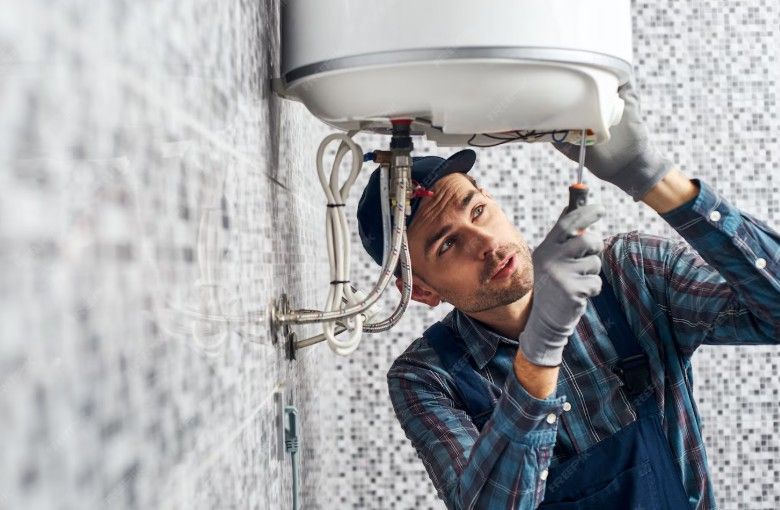
Sustainable Heating Systems are designed to provide hot water or heating with minimal energy waste and reduced carbon emissions. They often utilize renewable energy sources such as solar power, heat pumps, or hybrid technologies. Unlike conventional electric or gas water heaters, these systems are engineered to optimize energy usage and reduce long-term costs.
One of the most promising advancements in this field is the energy-efficient water heater, which integrates smart controls and eco-friendly technology to deliver maximum performance while consuming less energy.
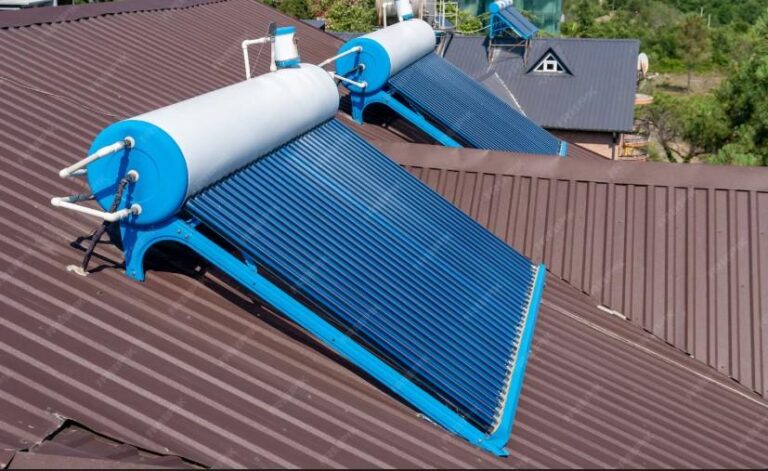
Energy-efficient water heaters are revolutionizing the way we heat water at home and in commercial spaces. These systems are built to deliver consistent performance while cutting down on electricity bills and greenhouse gas emissions.
Sustainable water heating systems use a combination of renewable energy and advanced design. Here’s how some of the most popular options function:
Sustainable Heating Systems use renewable energy and smart controls, reducing electricity consumption and carbon emissions compared to traditional water heaters.
Yes. Although the upfront cost is higher, energy-efficient water heaters save significantly on electricity bills over time and increase property value
Solar and heat pump water heaters are currently the most eco-friendly options, relying on renewable energy and producing minimal greenhouse gases.
If your heat pump keeps running without cycling off, it may be due to thermostat calibration issues or refrigerant imbalance. Continuous operation wastes power and shortens system lifespan.
Regular servicing ensures that heat pumps operate in proper cycles for maximum efficiency.
Consider your energy usage, budget, climate, and space. Consulting with a certified installer can help you pick the best energy-efficient solution tailored to your needs.
The water heating industry is rapidly evolving, thanks to digitalization and eco-friendly innovations. Here are some future-focused trends reshaping the market:
The move toward Sustainable Heating Systems is not just an environmental decision—it’s an economic one too. By investing in energy-efficient water heaters, households and businesses can reduce operational costs, minimize environmental impact, and contribute to a sustainable future.
According to studies, replacing a traditional heater with a Sustainable Heating System can cut energy consumption by up to 60%. This transition aligns with global goals for carbon neutrality and helps reduce strain on the power grid.
The next generation of energy-efficient water heaters will focus on automation, AI-driven efficiency, and compatibility with smart grids. As governments push for cleaner energy solutions, homeowners and industries alike are turning to Sustainable Heating Systems to meet both environmental and financial goals.